Elizabeth Kent Elizabeth Kent

The Beauty Industry Isn't Selling You Skincare. It's Selling You a Problem.

The beauty industry profits by convincing women their natural faces are problems to be solved. This isn't accidental — it's the business model. Women who love themselves as they are very hard to sell to. Understanding this is the first step to choosing differently

Estimated read time: 7 minutes

The beauty industry doesn't profit from women who feel good about themselves, it profits from the gap between who you are and who it tells you to be. This isn't accidental. It is the business model. Understanding this is the first step to choosing a different kind of care, one that starts from wholeness, not correction. This post covers: how the insecurity model works, why it's so effective, what it costs women, and what a different approach to beauty care actually looks like.

Before we talk about skincare, we need to talk about what the beauty industry is actually selling, because it isn't what most people think.

The products are real. The treatments are real. But underneath the serums and the facials and the before-and-after photographs is a model that depends entirely on one thing: the belief that something about her needs to be fixed.

I worked inside that model for years. I used that language. I genuinely didn't question it, because no one around me was questioning it either. Until I started paying attention to what was actually happening in my treatment room.

What is the beauty industry actually selling to women?

Solutions to insecurities that were never theirs to carry.

The beauty industry is extraordinarily good at identifying something a woman might feel uncertain about a breakout, a line, uneven skin tone, dark circles and transforming that uncertainty into a problem that requires a purchase to solve.

This isn't a side effect of the industry. It is the engine. Research into consumer behavior consistently shows that purchase decisions in the beauty space are driven more by insecurity and aspiration than by genuine need. The industry knows this and it builds campaigns, product lines, and treatment protocols around it.

The cycle tends to look like this:

The always repeating cycle of how the Beauty Industry works to keep women insecure.

Women who genuinely love themselves flaws and all, are very hard to sell to. That's not a coincidence. It's the reason the industry spends so much energy making sure that self-acceptance feels naive, lazy, or irresponsible.


“ Women who genuinely love themselves are very hard to sell to. That’s not a coincidence ”


Why does this model work so effectively?

Because the conditioning starts early and runs deep.

From a very young age, women are taught to audit themselves, to notice what's wrong before they notice what's right. To compare. To correct. By the time most women walk into a beauty salon for the first time, they have already absorbed years of messaging about what their face and body should look like.

The beauty industry didn't create that tendency. But it has built an entire economy on top of it.

Several factors make the insecurity model particularly effective:

  • Social comparison — advertising and social media consistently show an aspirational standard that feels just out of reach.

  • The language of care — framing correction as self-care makes spending feel virtuous rather than fear-driven.

  • The promise of transformation — before-and-after content creates emotional investment in a result.

  • Repeat purchase design — products and treatments are designed to require ongoing use, creating dependency rather than resolution.

None of this is hidden. But it moves so quickly, and is so woven into the culture of beauty, that most women absorb it without realising they have a choice about whether to participate.

What does this cost women…beyond money?

The financial cost is significant. Australians spend billions on beauty products and treatments each year. But the cost that concerns me most isn't financial.

It's the slow erosion of the relationship a woman has with her own face.

A women with brown hair and acne on her face

When a woman is taught from a young age that her skin is a problem to be managed, she learns to look at herself through a critical lens before any other. She notices what's wrong before she notices what's right. She feels gratitude for a good skin day and shame on a difficult one.

I have watched this play out in my treatment room over and over. Women would arrive carrying far more than a skin concern. They would lie down, the room would go quiet, and something would open. The exhaustion. The grief. The weight of never quite measuring up.

The real costs of the insecurity model include:

  • Chronic low-level anxiety about appearance that becomes background noise.

  • Difficulty receiving compliments or seeing themselves clearly.

  • Guilt around 'letting themselves go' during periods of stress, illness, or life change.

  • A belief that care is conditional, that they need to earn rest and nurturing.

  • Disconnection from the body, which becomes something to be managed rather than inhabited

But what about treatments that genuinely help people?

This is the question that kept me up at night for years. And I want to answer it honestly.

Yes. Treating someone's acne can change their life. Addressing hyperpigmentation can restore confidence. Skincare is not inherently harmful and dismissing the real impact of skin conditions on people's lives would be dishonest.

But here is what I kept coming back to: we have never stopped to ask why so much of a woman's professional opportunity, social acceptance, and sense of worth depends on her skin in the first place.

Clearing someone's acne so they can get a promotion isn't a beauty success story. It's a sign that something much larger is broken, a system that assigns value to women based on how closely they conform to a narrow physical standard.

That's not a beauty problem. That's a much bigger one. And the beauty industry, by and large, has no interest in solving it. Because the problem is the product.


“ Clearing someone’s acne so they can get a promotion isn’t a beauty success story. It’s a sign that something much larger is broken ”


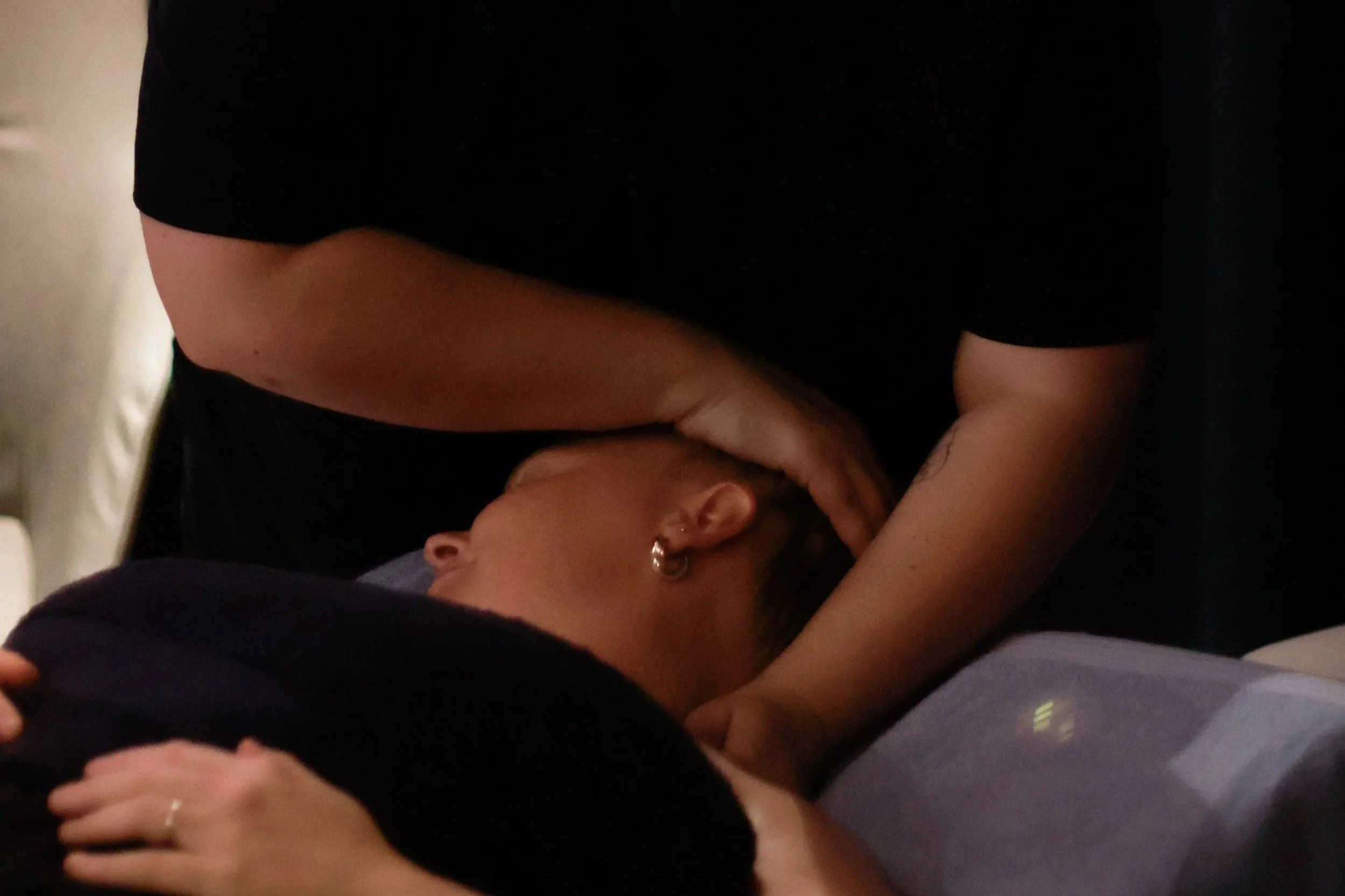
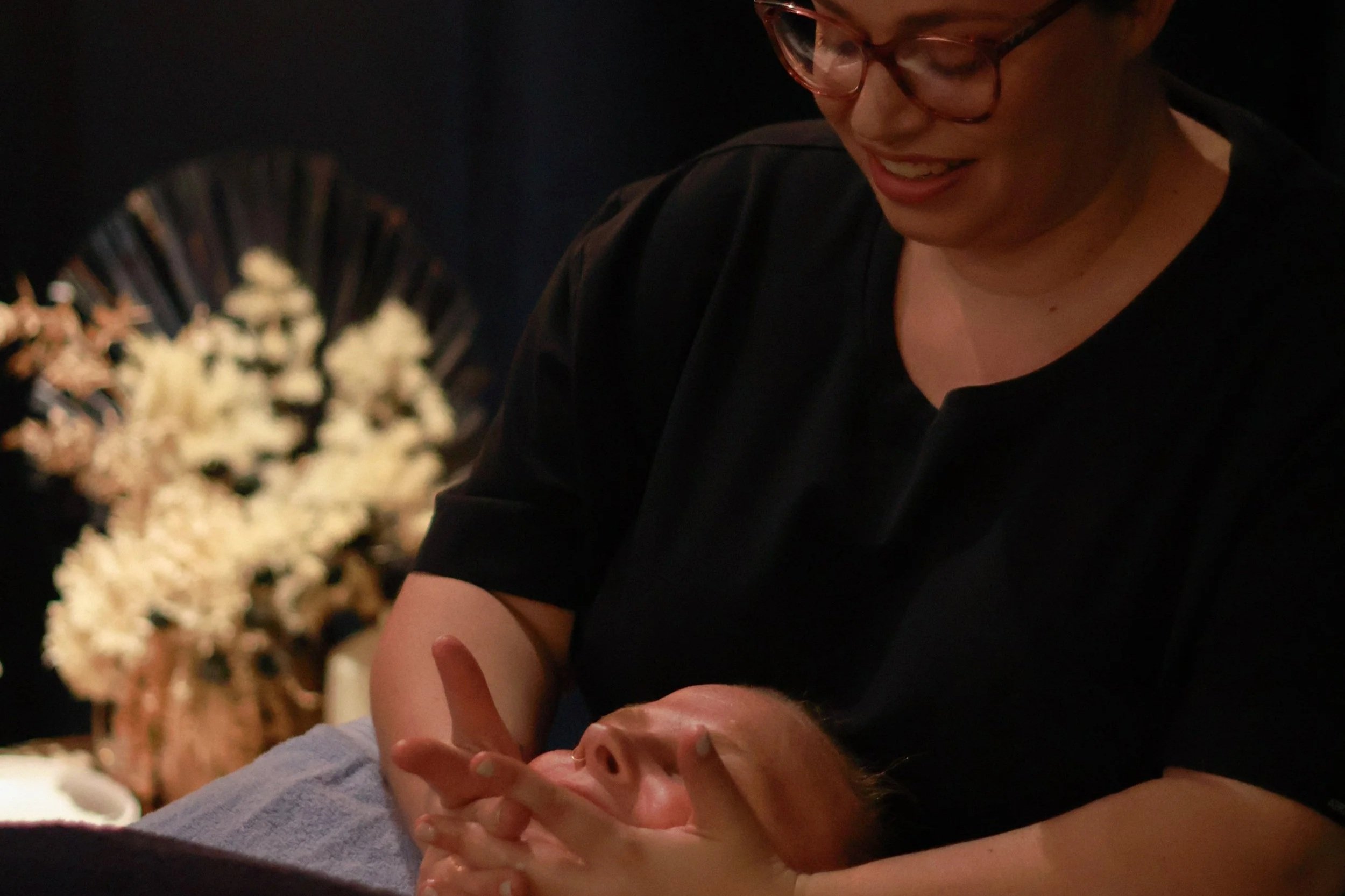
Image of Liz in the treatment room performing a facial massage

What does a different approach to beauty care actually look like?

It starts with a different question.

Instead of asking what needs to be fixed, it asks: what does this person need to feel safe, rested, and held? What would it mean to care for her…not her skin, but her?

In practice, this looks like a treatment room designed around safety rather than correction. Slow, intentional touch that works with the nervous system rather than against it. No running commentary on what needs improving. No upselling based on manufactured concern.

A values-led approach to beauty care prioritises:

  • Safety — physical, emotional, and environmental, as the foundation of everything.

  • Rest as a legitimate outcome, not a by-product.

  • The whole person, not just the presenting skin concern.

  • Honest care over performed professionalism.

  • Results that come from regulation and restoration, not correction and control.

This is the work I have built Blue Moon Wellness Spa around. Not because fixing is always wrong but because it was never the only option. And for a long time, it felt like the only story being told


How to recognise insecurity-based marketing

Once you know what to look for, it becomes very hard to unsee. Here are some of the most common patterns:

  • Before-and-after imagery that frames the 'before' as a problem to be ashamed of.

  • Language like 'correct,' 'fix,' 'erase,' 'combat,' or 'fight' when describing natural skin features.

  • Urgency and scarcity tactics designed to prevent you from pausing to consider whether you actually want something.

  • Testimonials focused entirely on how a product made someone feel more acceptable to others.

  • Recommendations that escalate, each treatment leads to another concern that needs addressing.

None of these make a product or service inherently bad. But they are worth noticing, because noticing is how you start to choose differently.


The room I've built starts from a different belief. That you are already whole. That care, rest, and feeling safe in your body are things you deserve simply because you exist, not because you've earned them by fixing enough things about yourself. That's what the Homecoming Ritual is. Not a treatment designed to correct. A space designed to receive


Frequently Asked Questions

These are the questions I hear most often, from clients, from women in my community, and from people who are starting to question the way the beauty industry has shaped how they see themselves.

Is all beauty care based on insecurity?

No, and it's important to make that distinction. There is a version of beauty care that starts from genuine self-expression, pleasure, and the simple enjoyment of feeling looked after. The problem isn't beauty care itself. It's when the entry point is manufactured shame rather than authentic desire. Learning to notice the difference is the first step.

Can a facial really support the nervous system?

Yes. When the body feels safe, genuinely safe, not just relaxed. The nervous system shifts out of fight-or-flight and into a state where it can restore and regenerate. This affects everything from cortisol levels to skin cell turnover to the way the face holds tension. A nervous system facial is designed specifically to create those conditions. The Homecoming Ritual at Blue Moon Wellness Spa is built entirely around this principle.

Why do I feel guilty spending money on beauty treatments?

Partly because of the cost of living, that's real, and it matters. But partly because of messaging that has classified care as non-essential for so long that many women have internalised it. If spending an hour being cared for feels indulgent, it's worth asking where that feeling comes from and whether it's actually true.

What is a nervous system facial and how is it different?

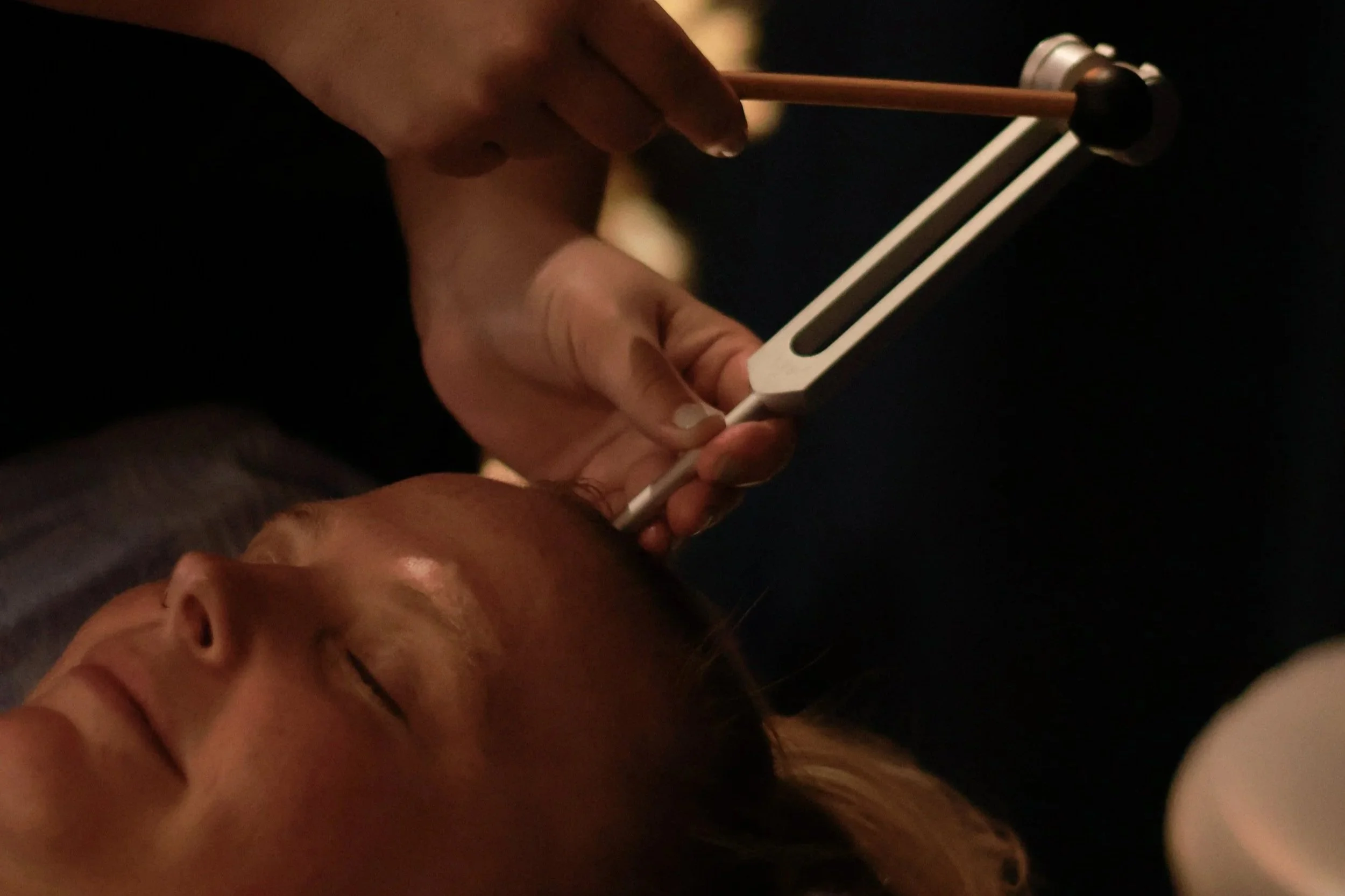
A nervous system facial prioritises how your body feels over what your skin looks like afterward. It uses slow, intentional touch, sound healing, and a carefully held environment to help your nervous system move from protection into rest. The skin benefits are real but they come from regulation, not correction.

How do I find a beauty therapist who doesn't make me feel bad about myself?

Look for therapists who talk about rest, safety, and how you'll feel, not just how you'll look. Notice whether their language is about supporting you or correcting you. Trust your nervous system: if you leave a consultation feeling worse about your skin than when you arrived, that's information worth listening to.

Read More